
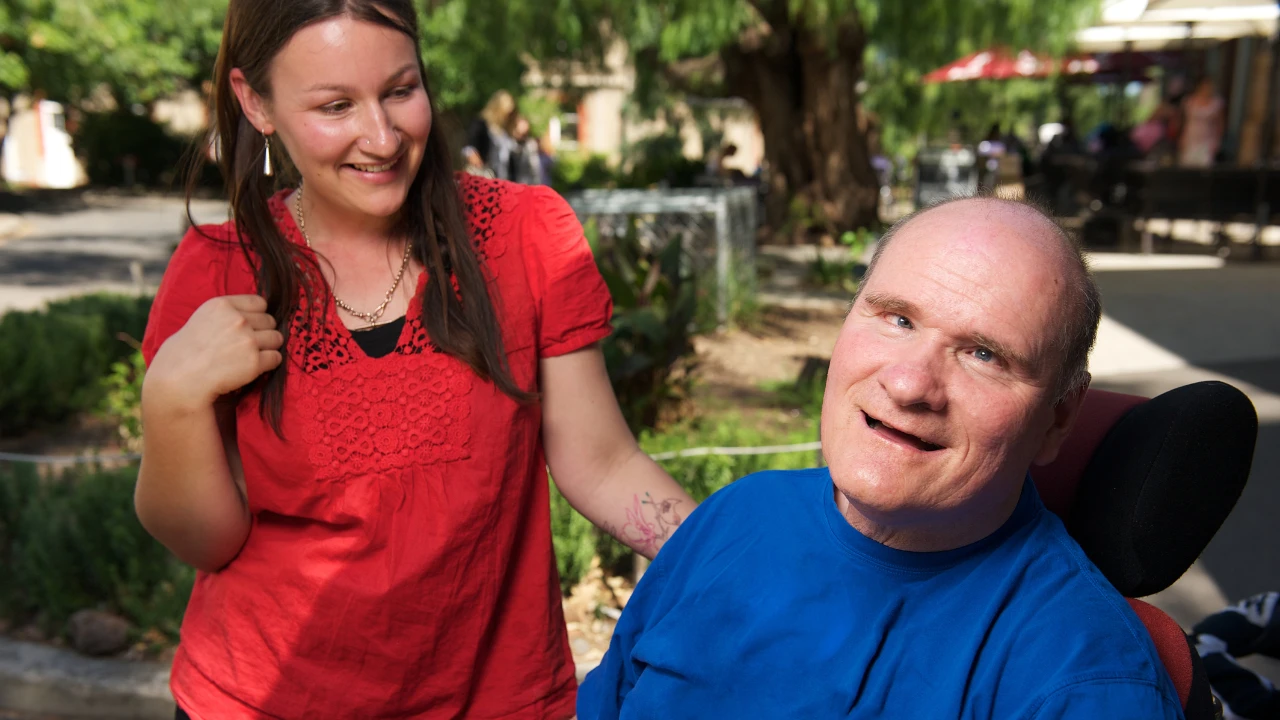
NDIS Practice Standards: High intensity support skills descriptors
“Empathy and support help people with disabilities live with independence and dignity.”
At Care Unity Group, we believe in building a more inclusive and supportive community for everyone. That’s why we proudly work with the NDIS (National Disability Insurance Scheme) — a vital program that supports eligible Australians living with disabilities.
The NDIS is not just about funding — it’s about improving lives. It helps people spend quality time with loved ones, become more independent, and access opportunities to learn new skills, find jobs, and get involved in the community.
Through NDIS high intensity support, individuals are also connected with important local services, such as:
Doctors and healthcare providers
Community groups and support networks
Sports clubs and libraries
Schools and education services
The NDIS also provides helpful information about supports available through state and territory governments.
Recently, the NDIS Quality and Safeguards Commission introduced new skill descriptors for high-intensity support. These updated guidelines help support workers and providers (like us at Care Unity Group) understand what’s needed to deliver the best care when assisting with daily personal activities that require high-level support.
The new changes came into effect on 1st February and are based on expert advice and current best practices. They also highlight the importance of ongoing staff training and staying up to date with the latest standards.
At Care Unity Group, we are committed to providing high-quality, compassionate care that empowers people with disabilities to live life to the fullest.
Understanding NDIS High Intensity Support
At Care Unity Group, we are committed to delivering safe, professional, and compassionate care — especially when it comes to NDIS High Intensity Personal Activities, also known as NDIS high intensity support.
These supports are some of the most complex and high-risk services provided through the NDIS, and they are essential for many participants who have significant health and personal care needs.
To make sure participants are safe and well cared for, only trained health professionals or properly trained workers under supervision can provide these supports. It’s important that everyone involved has the right skills and knowledge to deliver care safely and confidently.
What Are High Intensity Supports?
There are eight types of NDIS high intensity supports:
Complex Bowel Care
Enteral Feeding Support (feeding through a tube)
Dysphagia Support (help with swallowing difficulties)
Ventilator Support
Tracheostomy Support
Urinary Catheter Support
Subcutaneous Injections
Complex Wound Care Support
Delegation and Support Levels
In some cases, a registered nurse may decide that a task can be safely delegated to a support worker. When this happens, it’s important to assess the right level of support to include in the participant’s NDIS plan. This ensures there is enough funding for the nurse to:
Assess the situation
Train the worker
Monitor their performance
Three Levels of High Intensity Support
The level of support depends on how many tasks are involved and how complex the care is. There are three levels:
Low – Basic support for simple tasks
Intermediate – Moderate support for more involved care
High – Intensive support for complex needs
When planning for support, it’s important to assess the right level to make sure the participant gets the care they need — safely and effectively.
At Care Unity Group, we take high intensity support seriously. Our goal is to ensure every participant feels safe, respected, and empowered.
Understanding NDIS Levels of High Intensity Support
At Care Unity Group, we know that everyone’s support needs are different. That’s why the NDIS high intensity support is divided into three levels, also known as the NDIS levels of support. These levels help determine the amount and type of care a person needs, based on how many areas of support they require.
🔹 Low-Level Support
Low-level NDIS support is for people who need help in one or two health-related areas.
A registered nurse is still involved, but only needs to supervise care in a limited way.
Example:
Help with diabetes management
Support with podiatry care (foot care)
🔸 Intermediate-Level Support
Intermediate-level support means a person needs care in three different health-related areas, and a registered nurse is required to oversee all of them.
Example:
Support with continence care
Help managing diabetes
Care for wounds or pressure sores
🔴 High-Level Support
High-level NDIS support is for people who need care in four or more health-related areas. These are usually complex needs that require ongoing supervision from a registered nurse.
Example:
Epilepsy support
Wound and pressure care
Nutritional support
Diabetes management
✅ Why These Levels Matter
These three support levels—low, intermediate, and high—help make sure that each person gets the right care based on their individual needs. It also ensures their NDIS plan includes the right funding to provide safe, effective, and personalised support.
At Care Unity Group, we take the time to understand each participant’s needs and work with them to build the best care plan possible.
NDIS High Intensity Support Skills Descriptors – What You Need to Know
At Care Unity Group, we believe that quality care starts with the right knowledge and training. That’s why we follow the NDIS High Intensity Support Skills Descriptors — also known simply as Skills Descriptors.
These guidelines help ensure that support workers and providers have the right skills and knowledge to safely support participants who need help with High Intensity Daily Personal Activities (HIDPAs). These types of care can involve more risk and require a high level of responsibility and understanding.
🧠 What Are Skills Descriptors?
Skills Descriptors clearly explain what workers need to know and do when providing high-intensity supports — things like personal care tasks that may involve complex medical needs or sensitive routines.
These supports often require:
Close communication with the participant
Respect for personal preferences
Consistency with daily routines
A strong focus on safety
👥 Who Uses Skills Descriptors?
✅ Participants, Families, and Carers
They can use the Skills Descriptors to understand the level of support they should expect, and to help guide conversations when choosing service providers or support workers.
✅ Support Providers & Workers
At Care Unity Group, our teams use these descriptors to:
Understand what’s expected when delivering high-intensity care
Choose the right training programs
Ensure we meet best-practice standards in everything we do
✅ Auditors
Auditors use the Skills Descriptors to check whether providers are meeting the NDIS Practice Standards for high-intensity support during official quality audits.
✅ Trainers
Training organisations must include the Skills Descriptors in their programs. This ensures all workers are fully equipped with the right skills and knowledge to provide safe, effective, and respectful high-intensity support.
🌟 Why It Matters
High-intensity supports come with increased responsibility. That’s why Care Unity Group is committed to making sure every support worker is trained, confident, and ready to deliver care that is safe, person-centred, and respectful.
With the right guidance and support, we can help people with disabilities live with dignity, safety, and independence.